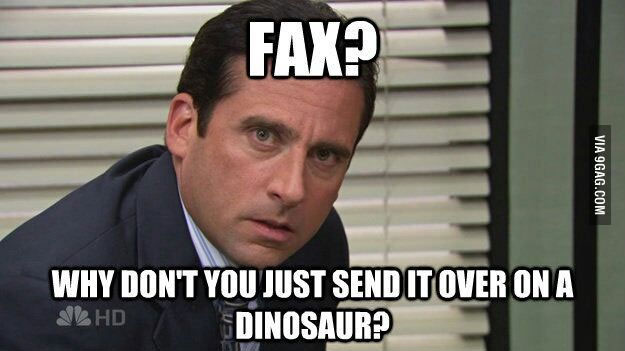
Why Businesses Continue to Rely on Dated and Dinosaur Technology
Having worked with computers since the early 1970s and with PDF technology since Adobe Acrobat’s original release in 1993, I have long been fascinated by tools designed to improve efficiency and productivity. Over the decades, software has evolved at an extraordinary pace, making it possible to complete complex tasks faster and with greater accuracy than ever before.
Despite this progress, many organizations still rely on poorly designed interactive PDF forms and outdated workflows created with little regard for usability or efficiency. Even more surprising is the continued dependence on legacy technologies such as fax machines and physical mail—tools that were already showing their limitations decades ago.
I first noticed this disconnect in the late 1980s while visiting a real estate office that relied heavily on fax transmissions. Documents arrived continuously, yet many were barely legible due to handwriting, low image quality, and repeated copying. It was clear even then that fax-based workflows introduced unnecessary friction, errors, and wasted time.
When software-based fax solutions and email attachments became available, followed soon after by fillable PDF forms and word-processing documents, there was no reason to look back. Digital files could be transmitted instantly without degrading quality, eliminating many of the problems inherent in fax and mail-based communication.
So why do these outdated technologies persist? The reasons are largely human rather than technical. Complacency, fear of change, lack of training, and simple habit all play significant roles. When an existing process appears to work “well enough,” there is often little motivation to explore better alternatives.
In many industries, outdated practices continue simply because they remain common within the profession. As long as peers and partners rely on the same legacy tools, meaningful change feels unnecessary or even risky. Unfortunately, this mindset prevents organizations from benefiting fully from modern digital workflows that are faster, more reliable, and more secure.
Today’s PDF-based solutions, automated form logic, and secure digital delivery systems offer clear advantages over fax machines and physical mail. Yet until businesses are willing to reassess entrenched habits and invest in learning more efficient tools, outdated technology will continue to survive—long past its useful life.
Learn more about the experience and vision behind EasyPDF™ Forms, rooted in replacing outdated workflows with practical digital solutions that improve efficiency, reduce errors, and save time.